Best Credit Card For Foreign Travel
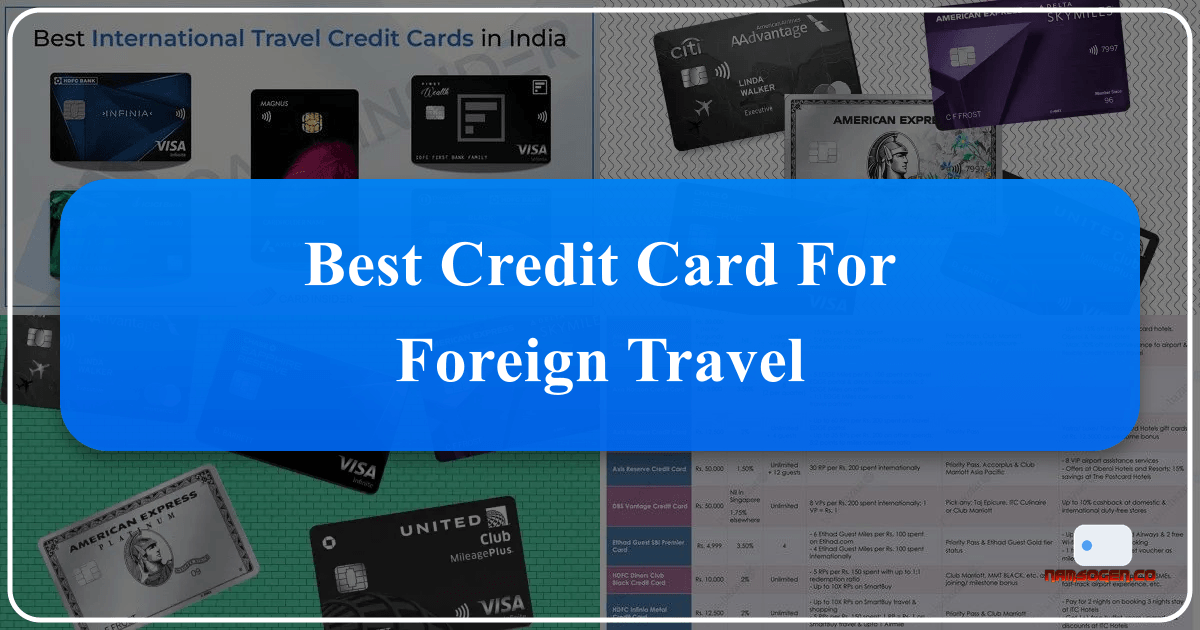
Best Credit Card For Foreign Travel
Embarking on international travel is an exciting endeavor, but the financial aspects can quickly become complicated if you're not adequately prepared. One of the most critical tools in your travel arsenal is the right credit card. A well-chosen card can save you hundreds in fees, provide invaluable travel protection, and even enhance your experience with luxurious perks and rewarding points. Conversely, using the wrong card can lead to unexpected charges, limited acceptance, and a diminished sense of security.
For savvy travelers and those new to exploring the world, understanding the nuances of credit cards designed for foreign use is paramount. This comprehensive guide, informed by the expertise found at Namsogen.co, will delve into the essential features, benefits, and considerations for selecting the best credit card to accompany you on your global adventures, ensuring your focus remains on experiencing new cultures and creating lasting memories, rather than worrying about your finances.
Essential Features for International Travel Credit Cards
When selecting a credit card for foreign travel, certain features move from desirable to absolutely essential. These are the foundational elements that will protect your wallet and streamline your payment process while abroad.
Eliminating Foreign Transaction Fees
Perhaps the single most critical feature to look for in a travel credit card is the absence of foreign transaction fees. These fees, typically ranging from 2.5% to 3% of every purchase, are levied by your card issuer for transactions processed in a foreign currency or through an international bank. While a small percentage, these charges can quickly accumulate over the course of a trip, adding significant unexpected costs to your expenses. For instance, a 3% fee on $5,000 worth of foreign spending equates to an extra $150 – money that could have been spent on experiences or souvenirs.
Many credit cards designed for travel, particularly premium travel cards and even some no-annual-fee options, have waived these fees entirely. This simple feature alone can make a card invaluable for international use, protecting your purchasing power and ensuring that the price you see is the price you pay. Always confirm a card's foreign transaction fee policy before packing it for your trip.
Worldwide Acceptance and Network (Visa, Mastercard, Amex, Discover)
The utility of a credit card is only as good as its acceptance. Globally, Visa and Mastercard boast the widest acceptance networks, making them the safest bets for international travel. You'll find merchants across Europe, Asia, South America, and beyond readily accepting these two major networks.
American Express (Amex) cards are gaining traction in major cities and popular tourist destinations, particularly in North America and Western Europe, but their acceptance can be spottier in smaller towns or less developed regions. Discover cards, while growing internationally, still have the most limited global footprint. While convenient for domestic use, relying solely on a Discover card for foreign travel could leave you in a bind.
It's highly recommended to carry at least one Visa or Mastercard for primary use, and if you have an Amex, it can serve as a secondary option to take advantage of its specific rewards or benefits where accepted. Diversity in card networks provides a crucial backup, ensuring you’re never stranded without a payment method.
Robust Travel Insurance and Protection
Beyond transaction fees, the protective layers a credit card offers can be a lifesaver when things go awry during your travels. Many premium travel cards, and even some mid-tier options, come with a suite of travel insurance benefits under the "Travel & Perks" umbrella. These can include:
- Trip Cancellation/Interruption Insurance: Reimburses non-refundable expenses if your trip is cut short or canceled due to covered reasons (e.g., illness, severe weather).
- Baggage Delay/Loss Insurance: Provides coverage for essential purchases if your luggage is delayed, or reimbursement if it's lost permanently.
- Travel Accident Insurance: Offers compensation for accidental death or dismemberment during a covered trip.
- Emergency Medical and Dental Coverage: Assists with unexpected medical expenses while abroad, though often secondary to your primary health insurance.
- Car Rental Collision Damage Waiver (CDW): Often primary, meaning it covers damage to a rental vehicle without involving your personal car insurance.
- Travel and Emergency Assistance: Provides a 24/7 hotline for medical, legal, or travel-related emergencies, often helping coordinate services, though typically not paying for them directly.
These protections can save you thousands of dollars and immense stress should an unforeseen event occur, making them invaluable additions to your travel plans. Always review your card's guide to benefits to understand the specific coverage levels and exclusions.
Security Features (EMV Chip, Fraud Protection)
Security is paramount when using your credit card abroad. The EMV chip (often referred to as "chip-and-PIN" or "chip-and-signature") has become the global standard for secure transactions. Most modern credit cards issued in the U.S. now feature an EMV chip, but it's important to understand how they work internationally. While U.S. cards often default to chip-and-signature, many European and other international merchants exclusively use chip-and-PIN terminals, especially for unattended transactions like train tickets or gas pumps. Having a card that supports chip-and-PIN is ideal, but chip-and-signature is generally accepted for attended transactions.
Beyond the physical chip, robust fraud protection is a non-negotiable. Most major credit card issuers offer zero-liability policies, meaning you won't be held responsible for unauthorized charges if your card is lost, stolen, or compromised. Always monitor your accounts for suspicious activity, especially while traveling, and report any fraudulent charges immediately. Additionally, features like mobile wallet integration (Apple Pay, Google Pay) and contactless payment capabilities can add another layer of security and convenience, reducing the need to hand over your physical card.
Maximizing Rewards and Benefits Abroad

best credit cards for overseas trips.
Choosing a credit card for foreign travel isn't just about avoiding fees and staying secure; it's also about leveraging opportunities to enhance your travel experience and maximize your returns through "Rewards & Points."
Earning and Redeeming Travel Rewards
Travel-focused credit cards excel at helping you earn valuable rewards that can offset future travel costs. These come in various forms:
- Sign-up Bonuses/Welcome Offers: Many of the best travel credit cards offer substantial sign-up bonuses for meeting a certain spending threshold within the first few months. These bonuses, often tens of thousands of points or miles, can be enough for a free flight or several nights in a hotel. Strategic timing of your application can significantly boost your reward balance before a major trip.
- Ongoing Earning Rates: Look for cards that offer accelerated earning rates on travel-related purchases (flights, hotels, dining) or even on everyday spending categories that align with your habits. For instance, a card that offers 2x or 3x points on all travel and dining abroad can quickly accumulate a significant number of rewards.
- Flexible Travel Points: Cards like those from Chase Sapphire or American Express Membership Rewards offer flexible points that can be transferred to a variety of airline and hotel loyalty programs at a 1:1 ratio, providing immense flexibility for redemption. This allows you to cherry-pick the best redemption value based on your travel plans.
- Cashback: While not specifically "travel rewards," a straightforward cashback card with no foreign transaction fees can be an excellent option if you prefer simplicity and direct savings over complex redemption strategies. The cashback can then be used to fund any aspect of your trip.
Understanding how to earn points efficiently and redeem them for maximum value – whether for flights, hotel stays, or other travel-related expenses – is key to making the most of your travel credit card.
Premium Travel Perks (Lounge Access, Upgrades, Companion Passes)
For frequent travelers, particularly those who value comfort and convenience, premium travel credit cards offer a suite of luxurious "Travel & Perks" that can significantly elevate the travel experience. While these cards often come with higher annual fees, the benefits can easily outweigh the cost for the right user.
- Airport Lounge Access: A standout perk, offering a sanctuary away from the crowded terminal. Many premium cards provide complimentary access to airport lounges, either through networks like Priority Pass Select (which includes hundreds of lounges worldwide) or specific airline/brand lounges. This includes comfortable seating, complimentary food and drinks, Wi-Fi, and sometimes even shower facilities.
- Global Entry/TSA PreCheck Credit: Many high-end travel cards offer a statement credit to cover the application fee for Global Entry or TSA PreCheck, speeding you through airport security and customs.
- Hotel Elite Status: Some cards automatically grant you elite status with partner hotel chains, which can lead to benefits like complimentary room upgrades, late check-out, free breakfast, and bonus points on stays.
- Annual Travel Credits: Many cards offer statement credits for various travel expenses, such as airline incidentals, general travel purchases, or specific hotel brands, effectively reducing the net annual fee.
- Companion Passes and Upgrades: Less common but highly valuable, a few cards offer companion passes (e.g., buy one ticket, get one free/discounted) or opportunities for flight upgrades, which can save a significant amount on airfare.
These perks are designed to make your journey more comfortable and less stressful, transforming travel from a chore into a more enjoyable part of your adventure.
Co-branded Airline and Hotel Cards
For travelers with strong loyalty to specific airlines or hotel chains, "Airlines & Hotels" co-branded credit cards offer tailored benefits that can be incredibly rewarding. These cards are issued in partnership with the airline or hotel and are designed to deepen your loyalty to that brand.
- Airline Co-branded Cards: These cards typically offer direct earning of airline miles for every dollar spent, often with bonus miles on purchases made directly with the airline. Benefits can include free checked bags (saving a considerable amount, especially for families), priority boarding, discounted in-flight purchases, and sometimes even elite status qualification boosts. Cards associated with major global alliances (e.g., Star Alliance, SkyTeam, Oneworld) can extend these benefits across partner airlines.
- Hotel Co-branded Cards: Similar to airline cards, these cards earn points directly within the hotel's loyalty program (e.g., Marriott Bonvoy, Hilton Honors, Hyatt Globalist). Key benefits often include an anniversary free night certificate (which can easily offset the annual fee), automatic elite status, bonus points on stays, and sometimes even a path to higher status through spending.
While highly beneficial for brand loyalists, the main drawback of co-branded cards is their lack of flexibility compared to general travel rewards cards. Their points are tied to a single loyalty program, which may not always align with your travel plans. However, for those who consistently fly with one airline or stay with one hotel chain, these cards can offer unparalleled value.
Top Picks: Recommended Credit Cards for International Travel
While specific card recommendations can vary based on individual spending habits and travel styles, we can categorize the types of cards that consistently perform well for international travel. Namsogen.co offers detailed comparisons and reviews to help you choose the best fit.
General Travel Cards with No Foreign Transaction Fees
These are excellent all-around options for most travelers. They typically offer strong earning rates on travel and dining, often with flexible points that can be transferred to various airline and hotel partners. Their primary draw is their versatility and the absence of foreign transaction fees, making them a default choice for any trip abroad. They might not have all the premium perks of higher-tier cards, but they provide solid value and excellent protection. Look for cards that offer at least 2x points on travel and dining worldwide and have a reasonable annual fee, or even none at all.
Premium Travel Cards for Frequent Flyers
For the dedicated globetrotter or business traveler who prioritizes comfort and luxury, premium travel cards are a worthwhile investment. While they come with significant annual fees, these are often justified by a wealth of benefits like extensive airport lounge access, generous travel credits, comprehensive travel insurance, and dedicated concierge services. These cards are designed to enhance every aspect of your journey, from booking to arrival, and their points often hold higher value when redeemed through their proprietary travel portals or transfer partners. These are ideal for those who travel several times a year and can fully utilize the extensive benefits.
Co-branded Cards for Brand Loyalty
If you consistently fly with a particular airline or stay predominantly with a specific hotel chain, a co-branded card can offer unparalleled value within that ecosystem. These cards provide direct benefits such as free checked bags, priority boarding, elite status, and anniversary free nights, which can save you a substantial amount of money and significantly improve your travel experience with your preferred brand. While less flexible in terms of points redemption, their targeted benefits make them a powerful tool for loyal customers. Consider these if you find yourself always returning to the same airline alliance or hotel group.
Managing Your Credit Card for International Travel
Once you've selected your ideal travel credit card, a few practical steps can ensure a smooth and worry-free experience abroad. This falls under the "Banking & Finance" aspect of your journey.
Inform Your Bank and Other Preparations
Before you depart, always notify your credit card issuer of your travel plans. This crucial step helps prevent your legitimate foreign transactions from being flagged as suspicious activity and potentially causing your card to be frozen. Most banks offer an easy online form or phone number for travel notifications.
Additionally, prepare a backup plan. Always carry at least two different credit cards (preferably from different networks, like a Visa and a Mastercard) and some local currency. Keep copies of your card details (front and back, but censor your CVV) and emergency contact numbers separate from your wallet, perhaps in a secure cloud storage or with a trusted travel companion. Knowing the international customer service number for your card issuer is also vital in case of loss or theft.
Understanding Annual Fees and APR
While many travel credit cards offer incredible benefits, they often come with annual fees. It's essential to weigh these fees against the value of the benefits you'll actually use. For instance, if a card has a $95 annual fee but offers a free checked bag on an airline you fly twice a year, the fee is easily justified. However, if you're paying a $500+ annual fee for lounge access you rarely use or credits you forget, it might not be the right fit.
Regarding APR (Annual Percentage Rate) and interest rates, the golden rule of credit cards, especially travel cards, is to pay your balance in full every month. Travel cards, particularly those with rich rewards, tend to have higher APRs. Carrying a balance, especially with high foreign spending, can quickly negate any rewards or savings from waived foreign transaction fees, making your trip significantly more expensive. Use your travel credit card as a payment tool, not a borrowing mechanism.
Credit Score Considerations
Your credit score plays a significant role in your ability to qualify for the best travel credit cards, especially those with premium benefits and substantial sign-up bonuses. Card issuers look for applicants with strong credit histories, demonstrating responsible financial behavior.
When applying for new cards, be mindful of the impact on your credit score. Each application typically results in a hard inquiry, which can temporarily lower your score by a few points. Spreading out applications and ensuring you have a good credit score before applying for top-tier travel cards is a wise strategy. Continuously monitoring your credit score and reports through resources like those offered by Namsogen.co can help you maintain a healthy financial profile, opening doors to even better travel card opportunities in the future.
Conclusion

top travel credit cards.
Selecting the best credit card for foreign travel is a pivotal step in preparing for any international adventure. By prioritizing cards that eliminate foreign transaction fees, offer robust travel insurance, feature widespread acceptance, and provide valuable rewards and perks, you can transform your financial tool into a powerful travel companion.
Whether you opt for a versatile general travel card, a luxurious premium option, or a specialized co-branded card, the key lies in aligning the card's features with your individual travel style and spending habits. With careful consideration and strategic use, your credit card won't just be a payment method; it will be a gateway to richer experiences, enhanced security, and significant savings on your journeys across the globe.
For detailed comparisons, expert reviews, and personalized recommendations to find the perfect credit card for your next international escapade, be sure to visit Namsogen.co. Happy travels!