Best Credit Cards For Gas

Best Credit Cards For Gas
In an era of fluctuating fuel prices, the cost of filling up your tank can represent a significant portion of your monthly budget. For many households and individuals, gas expenses are an unavoidable necessity, whether for daily commutes, family errands, or weekend adventures. This constant outflow of cash presents a unique opportunity for savvy consumers to turn a regular expense into a rewarding one. By strategically using the right credit card, you can earn substantial cashback, valuable points, or airline miles on every gallon purchased, effectively reducing your overall fuel costs.
At Namsogen.co, we understand that navigating the vast landscape of credit card options can be daunting. From general rewards cards to co-branded specific offerings, each card boasts a unique set of benefits, annual fees, and redemption structures. This comprehensive guide is designed to help you identify the best credit cards for gas purchases, ensuring you maximize your rewards and make every dollar spent at the pump work harder for you. We'll delve into the various types of gas rewards available, essential factors to consider when choosing a card, and highlight top picks that stand out for their fuel-saving potential.
Understanding Gas Rewards: More Than Just Cash Back
When it comes to earning rewards on your gas purchases, the options extend far beyond simple cashback. While cashback remains a popular and straightforward choice, understanding the nuances of different reward structures can help you optimize your earnings based on your spending habits and financial goals.
Types of Rewards for Gas Spending
- Cashback: This is the most direct form of reward. You earn a percentage of your spending back as cash, typically applied as a statement credit, direct deposit, or check. Cashback cards can be structured in several ways:
- Flat-Rate Cashback: These cards offer a consistent cashback percentage (e.g., 1.5% or 2%) on all purchases, including gas. They are excellent for simplicity and for those who prefer not to track bonus categories.
- Tiered Cashback: Some cards offer higher cashback rates in specific spending categories up to a certain limit, then a lower rate on all other purchases. For instance, a card might offer 3% on gas and groceries, and 1% on everything else.
- Rotating Category Cashback: Cards like the Chase Freedom Flex or Discover It Cash Back feature quarterly bonus categories that offer a high cashback rate (e.g., 5% or 5x points) on up to a spending limit, usually $1,500 per quarter, upon activation. Gas stations are frequently included in these rotating categories, making them incredibly lucrative for specific periods of the year. The key here is activation; if you don't activate the bonus category, you won't earn the accelerated rewards.
- Points and Miles: Many credit cards offer rewards in the form of points or miles, which can be redeemed for a variety of purposes including travel, gift cards, merchandise, or statement credits.
- Flexible Points: Cards issued by major banks like Chase, American Express, Capital One, or Citi often earn flexible points (e.g., Chase Ultimate Rewards, Amex Membership Rewards, Capital One Miles). These points can be highly valuable because they offer redemption flexibility. While you might not earn bonus points directly at gas stations on some travel cards, the points earned on general spending can often be redeemed at a high value for travel, effectively freeing up cash that can then be used for gas. Moreover, some flexible points cards might occasionally offer gas as a bonus category or a preferred redemption option.
- Airline Miles & Hotel Points: Co-branded airline and hotel credit cards primarily focus on earning miles or points towards specific loyalty programs. While these cards typically don't offer accelerated rewards specifically for gas, any general spending on them contributes to your travel fund. For instance, a Delta SkyMiles card earning 1 mile per dollar on everyday purchases can still help you accumulate miles for flights, allowing you to save on travel costs and direct your cash towards necessities like gas.
- Gas Station-Specific Discounts: Some gas stations offer their own co-branded credit cards. These cards often provide a direct discount per gallon or a higher percentage of cashback when you fill up at their specific brand stations (e.g., Shell, ExxonMobil, BP, Speedway). While they offer excellent rewards for loyal customers of a particular brand, their utility is limited if you frequently fuel up at various stations.
The optimal reward type for you depends on your preferences. If you value simplicity and direct savings, cashback is usually the best bet. If you travel frequently and want to maximize the value of your rewards, flexible points or airline miles might be more appealing, even if the gas rewards are indirect.
Key Factors to Consider When Choosing a Gas Card

Choosing a Gas Card.
Selecting the best credit card for gas involves more than just looking at the highest cashback percentage. A holistic approach, considering various financial aspects and your personal spending habits, is crucial to ensure the card truly benefits you in the long run.
Annual Fees: Is the Reward Worth the Cost?
Many premium rewards credit cards come with an annual fee, which can range from under $50 to several hundred dollars. When evaluating a card with an annual fee, you must weigh the cost against the value of the rewards and benefits you expect to receive.
- Calculate Your Annual Rewards: Estimate how much you spend on gas annually and project your potential earnings from the card's rewards rate. If you spend $200 on gas monthly and earn 5% cashback, that's $10 per month or $120 annually. If the card has a $95 annual fee, your net benefit is $25.
- Consider Other Benefits: Many cards with annual fees offer additional perks like travel credits, lounge access, enhanced travel insurance, or streaming service credits. These benefits can often offset or even outweigh the annual fee, making the card a net positive, even if its gas rewards aren't the absolute highest.
- No Annual Fee Options: Many excellent cards for gas rewards come with no annual fee. These are generally ideal for those who prefer straightforward savings without having to justify a recurring charge.
APR and Interest Rates: Pay in Full
While the primary goal of using a rewards credit card for gas is to earn perks, it's paramount to practice responsible credit card usage. The Annual Percentage Rate (APR) is the interest rate you'll pay on balances carried over from month to month. Rewards earned are quickly negated if you incur interest charges.
- Pay Your Balance in Full: To fully benefit from rewards, always pay your credit card statement balance in full by the due date. This way, you avoid interest charges entirely and maximize your net savings.
- Introductory APR Offers: Some cards offer 0% introductory APR periods on purchases or balance transfers. While these can be beneficial for managing other debts or making a large purchase without interest, never let them encourage you to carry a balance you can't pay off before the promotional period ends.
Sign-Up Bonuses and Welcome Offers: Initial Value Boost
Many credit cards entice new customers with generous sign-up bonuses or welcome offers, typically awarded after meeting a specific spending threshold within a set period (e.g., earn $200 cashback after spending $500 in the first three months).
- Significant Initial Value: A strong sign-up bonus can be equivalent to hundreds of dollars in cashback or tens of thousands of points, providing a substantial initial boost to your rewards.
- Achievable Spending Thresholds: Ensure the spending requirement is something you can comfortably meet through your regular expenses without overspending. Gas purchases, being a consistent expense, can help you contribute towards these thresholds.
- Combine with Gas Rewards: A card that offers both a lucrative sign-up bonus and ongoing high rewards for gas purchases provides double the incentive.
Spending Caps and Bonus Categories: Maximize Your Earnings
Understanding the limitations and specific categories of a card is vital for maximizing gas rewards.
- Bonus Category Limits: Many cards that offer elevated rewards for gas purchases will cap the amount of spending eligible for the bonus rate. For example, a card might offer 5% back on gas up to $1,500 in spending per quarter, then 1% thereafter. Track these limits to ensure you're always earning the highest rate.
- Beyond Gas: Consider if the card offers bonus rewards on other categories where you spend a lot, such as groceries, dining, or online shopping. A card that offers strong rewards on multiple common spending categories provides more overall value.
- Activation Requirements: For rotating category cards, remember to activate the bonus categories each quarter. Missing this step means you'll only earn the base rate on your gas purchases.
Credit Score Requirements: Your Gateway to Approval
Your credit score plays a significant role in determining your eligibility for the best rewards credit cards. Lenders use your score to assess your creditworthiness.
- Good to Excellent Credit: Most top-tier rewards cards, especially those with generous sign-up bonuses and high cashback rates, require a good to excellent credit score (typically FICO scores of 670 and above).
- Building Credit: If your credit score isn't yet in this range, consider starting with a secured credit card or a student card to build a positive credit history. As your score improves, you can then apply for more rewarding options.
- Check Your Score: Before applying, it's wise to check your credit score and report. This helps you understand your standing and identify any inaccuracies. Resources like Namsogen.co offer guidance on understanding and improving your credit score.
Top Picks: Credit Cards Optimized for Gas Purchases
Based on the various reward structures and factors discussed, several credit cards consistently stand out as excellent choices for gas purchases. These recommendations are general examples based on common card offerings, and specific features can change. Always verify the latest terms and conditions on Namsogen.co or the issuer's website.
Rotating Category Cashback Cards: High Rewards, Strategic Use
These cards can offer some of the highest cashback rates on gas, but they require active management.
- Chase Freedom Flex℠ (Mastercard):
- How it works: Offers 5% cashback on up to $1,500 in combined purchases in bonus categories each quarter (requires activation), then 1% back. Gas stations are a frequent bonus category, often appearing once or twice a year.
- Beyond gas: Also earns 5% on travel purchased through Chase Ultimate Rewards®, 3% on dining and drugstore purchases, and 1% on all other purchases. Comes with a generous sign-up bonus.
- Pros: Very high cashback rate when gas is a bonus category, no annual fee, valuable Chase Ultimate Rewards points (which can be combined with premium Chase cards for even greater value).
- Cons: Requires activation of bonus categories quarterly, gas is not always a bonus category.
- Discover it® Cash Back (Discover):
- How it works: Similar to Chase Freedom Flex, offers 5% cashback on up to $1,500 in quarterly rotating bonus categories upon activation, then 1%. Gas stations are a common inclusion.
- Beyond gas: Discover matches all cashback earned at the end of your first year, effectively making your 5% categories 10% and your 1% categories 2% for the first 12 months.
- Pros: Potentially 10% cashback on gas in the first year, no annual fee, excellent customer service.
- Cons: Requires activation, gas is not always a bonus category, Discover acceptance can be slightly less widespread than Visa/Mastercard (though widely accepted in the U.S.).
Flat-Rate & Tiered Cashback Cards: Consistent Savings
For those who prefer consistent rewards without tracking categories, these cards offer reliable cashback on gas, often alongside other everyday spending.
- Citi Custom Cash℠ Card (Mastercard):
- How it works: Earns 5% cashback on your highest eligible spending category each billing cycle, up to $500 spent, then 1%. Eligible categories include gas stations, restaurants, grocery stores, select travel, and more.
- Beyond gas: Automatically adapts to your spending, so if gas is your top spend, you consistently get 5% on it without activation.
- Pros: Automatic 5% on your top category (potentially gas), no annual fee, versatile for various spending habits.
- Cons: Cap of $500 per month for the 5% category means heavy gas users might hit the limit quickly.
- Blue Cash Preferred® Card from American Express (Amex):
- How it works: Earns a high 3% cashback at U.S. gas stations and on transit (trains, buses, taxis, etc.). Even better, it offers a stellar 6% cashback at U.S. supermarkets (on up to $6,000 per year in purchases, then 1%) and on select U.S. streaming subscriptions. All other purchases earn 1%.
- Beyond gas: Outstanding rewards on groceries and streaming, making it a powerful card for household expenses.
- Pros: Strong consistent cashback on gas and groceries, valuable for families, robust Amex benefits.
- Cons: Annual fee (often offset by rewards if you spend enough), Amex acceptance is generally good but not as universal as Visa/Mastercard.
- Capital One SavorOne Cash Rewards Credit Card (Mastercard):
- How it works: Earns an unlimited 3% cashback on dining, entertainment, popular streaming services, and at grocery stores (excluding superstores like Walmart® and Target®). While gas isn't a direct 3% category, it earns 1% on all other purchases. For those whose grocery stores sell gas (common in many areas), it's a good way to earn 3% indirectly.
- Beyond gas: Excellent for food and fun expenses.
- Pros: No annual fee, unlimited 3% cashback on popular categories, great for social spenders.
- Cons: Gas is not a specific 3% category unless purchased at an eligible grocery store's fuel pump.
Co-Branded Gas Station Cards: Brand Loyalty Rewards
If you're loyal to a specific gas station brand, their co-branded cards can offer superior discounts.
- ExxonMobil SmartPass+ Credit Card:
- How it works: Offers discounts on every gallon purchased at Exxon and Mobil stations, typically a fixed amount per gallon (e.g., 6¢ off per gallon).
- Pros: Consistent savings at a specific brand, often comes with additional perks like station discounts on in-store purchases.
- Cons: Only provides savings at one brand, less versatile than general rewards cards.
- Shell Fuel Rewards® Card:
- How it works: Combines fuel savings with the existing Shell Fuel Rewards program, offering discounts per gallon.
- Pros: Can stack with other Fuel Rewards member benefits for even deeper discounts.
- Cons: Limited to Shell stations, rewards are often tied to specific redemption thresholds or tiers.
These cards are best suited for drivers who primarily fuel up at a single brand of gas station. For greater flexibility and broader rewards, a general cashback or points card is often a better choice.
Flexible Travel Rewards Cards (Indirect Gas Rewards)
While not primarily focused on gas, certain premium travel cards offer flexible points that can be redeemed for travel, effectively freeing up cash for other expenses like gas, or sometimes offer bonus categories that may include gas.
- Chase Sapphire Preferred® Card / Chase Sapphire Reserve® (Visa):
- How it works: These cards earn Chase Ultimate Rewards points. While gas is typically 1 point per dollar, the points are incredibly valuable when redeemed for travel through Chase's portal or transferred to airline/hotel partners. Redeeming points for a flight can save you cash that can then be used for gas. The Sapphire Reserve also has a generous annual travel credit that can indirectly offset gas expenses.
- Pros: Highly flexible and valuable points, strong travel benefits (travel insurance, lounge access for Reserve), excellent sign-up bonuses.
- Cons: Annual fees, direct gas rewards are often low, require travel to maximize point value.
Strategies to Maximize Your Gas Rewards
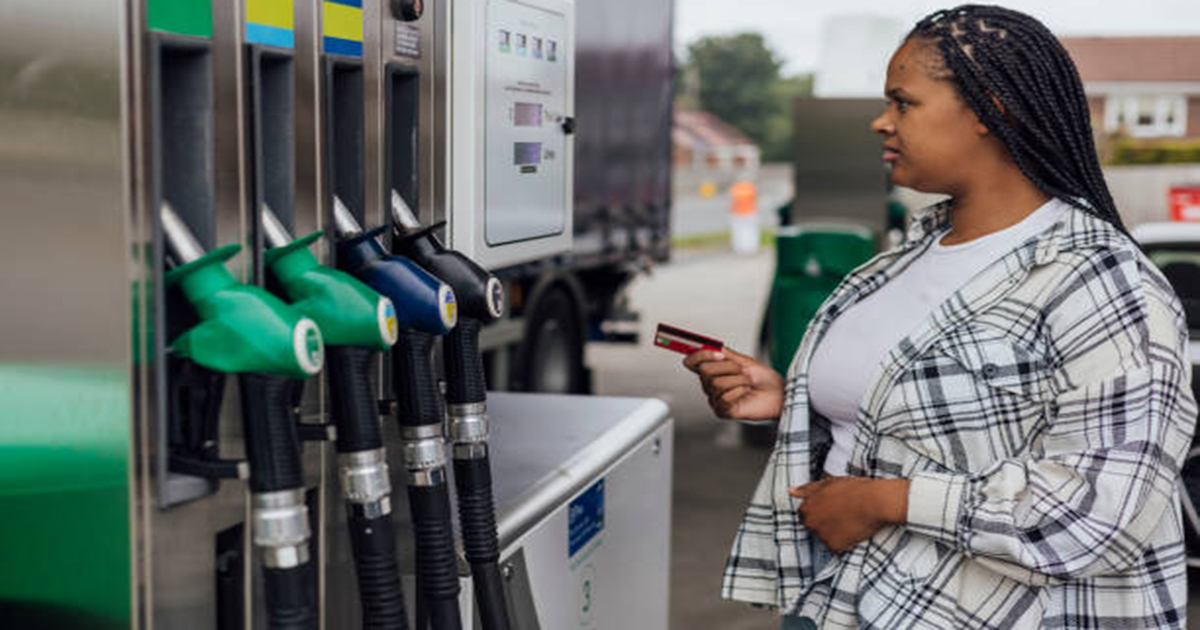
Gas Rewards Credit Card.
Simply having a good gas credit card isn't enough; strategic usage can significantly amplify your rewards.
Pairing Cards for Optimal Rewards
One of the most effective strategies is to employ a "credit card ecosystem" where different cards are used for different spending categories.
- Rotating Category + Everyday Card: Use your Chase Freedom Flex or Discover it Cash Back when gas is a 5% bonus category. For all other times, use a flat-rate cashback card like the Citi Custom Cash (if gas is your top spend) or another card that offers good rewards on everyday spending.
- Premium Travel Card + Cashback Card: Use a premium travel card for travel bookings and other bonus categories, accumulating valuable points. Then use a dedicated cashback card for gas to maximize direct savings on fuel.
Leveraging Mobile Wallets & Contactless Payments
Many credit cards offer additional rewards or ease of use when paying with mobile wallets like Apple Pay, Google Pay, or Samsung Pay, or through contactless payment.
- Bonus Offers: Occasionally, card issuers will run promotions offering extra rewards for using mobile wallets, which can sometimes be applied to gas purchases.
- Convenience and Security: Mobile wallets offer a secure and convenient way to pay at the pump, often with enhanced fraud protection features. EMV chip technology and contactless payments provide an extra layer of security compared to traditional swipe methods.
Monitoring Bonus Categories and Activation
For rotating category cards, diligent monitoring and activation are key.
- Stay Informed: Sign up for email alerts from your credit card issuer or check their app regularly to know when new bonus categories are announced.
- Activate Promptly: Make it a habit to activate bonus categories as soon as they become available. Missing this step means missing out on amplified rewards.
Smart Redemption Strategies
How you redeem your rewards can dramatically impact their effective value.
- Cashback: Usually redeemed as a statement credit, direct deposit, or check. This is straightforward and offers immediate tangible savings.
- Points/Miles:
- Travel Portal: Redeeming points through the issuer's travel portal (e.g., Chase Ultimate Rewards, Amex Travel) often provides a higher value than cash back.
- Transfer Partners: Transferring points to airline or hotel loyalty programs can yield the highest value, especially if you can find sweet spots for award travel. This means your travel budget is reduced, allowing more cash for gas.
- Statement Credit/Gift Cards: While convenient, these options often provide a lower redemption value for points compared to travel.
- Consider Your Goals: If your primary goal is to save directly on gas, cashback or specific gas discounts are best. If you're building a travel fund, then flexible points that can be used for travel indirectly help with gas expenses by freeing up cash.
Conclusion
The rising cost of fuel makes optimizing your gas purchases with a rewards credit card more important than ever. By understanding the different types of rewards—from direct cashback to versatile points—and carefully evaluating factors like annual fees, sign-up bonuses, and spending caps, you can make an informed decision that aligns with your financial habits.
Whether you're a high-mileage driver who benefits most from rotating 5% cashback categories, a loyal customer of a specific gas station brand, or someone who values the consistency of a flat-rate card, there's a credit card designed to put money back in your wallet with every fill-up. Remember to prioritize responsible credit card use by paying your balance in full each month to avoid interest charges that would negate your hard-earned rewards.
Start transforming your routine gas expenses into valuable savings today. For detailed comparisons, current offers, and expert reviews on the best credit cards for gas and all your personal finance needs, visit Namsogen.co. Our comprehensive guides and tools are designed to empower you to make smarter financial choices and unlock the full potential of your credit card rewards.