Best Grocery Credit Card
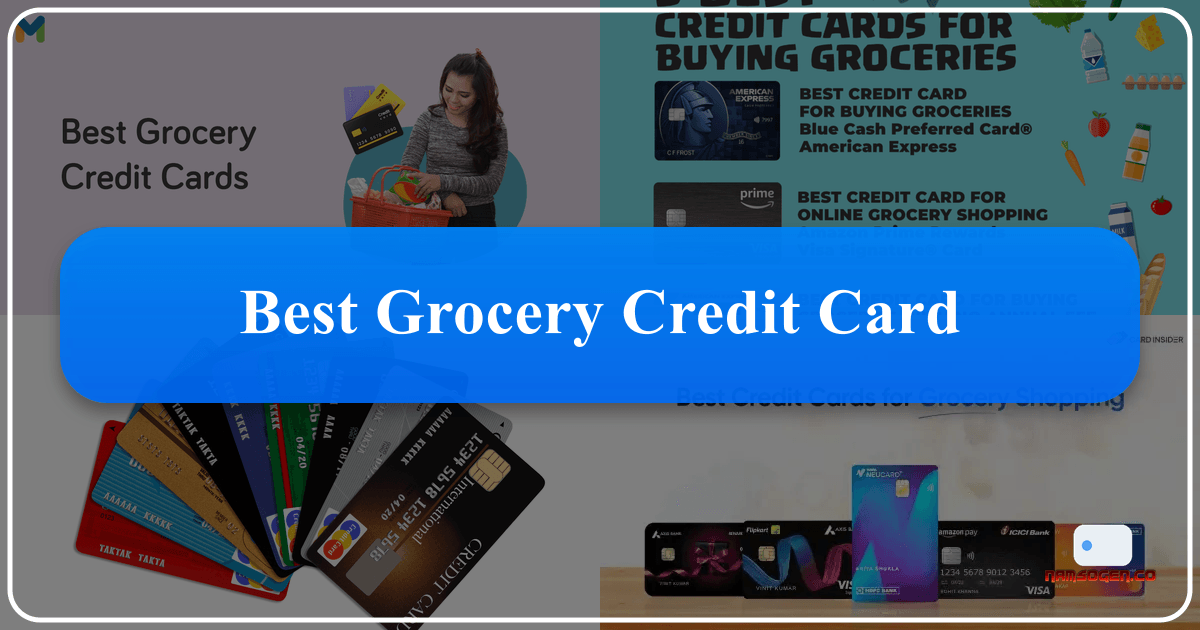
Best Grocery Credit Card
In the landscape of personal finance, optimizing your everyday spending is a cornerstone of smart money management. For most households, groceries represent one of the most significant and consistent expenditures, often accounting for hundreds, if not thousands, of dollars each month. It's an expense that, while essential, frequently goes unexamined for its potential to yield substantial rewards. This is precisely where the concept of a dedicated grocery credit card comes into play – a financial tool designed to transform your routine supermarket trips into opportunities for savings, cashback, or valuable travel points.
Choosing the "best" grocery credit card isn't a one-size-fits-all endeavor. What’s optimal for one individual or family might be less suitable for another, depending on their spending habits, financial goals, and preferred reward types. Are you a minimalist who values straightforward cashback? A savvy traveler aiming to fund your next adventure with airline miles or hotel points? Or perhaps someone who appreciates a blend of practical benefits and robust fraud protection? This comprehensive guide will navigate the diverse world of credit cards, equipping you with the knowledge to identify the card that best aligns with your financial strategy, turning your grocery bill into a powerful asset. We’ll delve into the various reward structures, highlight critical features, and provide a framework for making an informed decision, ensuring you maximize every dollar spent at the checkout.
Why a Dedicated Grocery Credit Card Matters
The average household spends a substantial portion of its budget on groceries. While these expenses are unavoidable, how you pay for them can significantly impact your financial well-being. A credit card specifically chosen for its grocery reward categories isn't just another piece of plastic; it's a strategic financial instrument designed to maximize the return on your most consistent spending.
Understanding Your Grocery Spending Habits
Before diving into specific card features, the first step is introspection: truly understanding your own grocery spending. How much do you typically spend on groceries each week or month? Do you frequent a single supermarket chain, or do you spread your purchases across various stores, perhaps including discount retailers, specialty markets, or big-box stores that also sell groceries? Some credit cards offer bonus rewards at "supermarkets" while others specify "grocery stores" or even include general merchandise stores like Walmart or Target in their bonus categories. Knowing where you spend is as crucial as knowing how much you spend.
Consider if your grocery spending is relatively stable or fluctuates seasonally. Do you regularly use online grocery delivery services, and if so, how do these platforms categorize their transactions for credit card rewards? Different payment methods or merchant categories can sometimes trigger different reward rates. By meticulously tracking your grocery expenses for a few months, you'll gain invaluable insights that will guide your card selection process, ensuring the card you choose truly rewards your unique shopping patterns.
The Power of Everyday Rewards
While individual grocery purchases might seem small, their cumulative effect over a year is staggering. Even a modest 2% or 3% cashback on thousands of dollars spent annually can translate into hundreds of dollars back in your pocket. For a household spending $500 a month on groceries, a card offering 3% cashback yields $15 monthly, or $180 annually. A card with a 5% bonus category, even with spending caps, could net even more. These "everyday rewards" might not seem as glamorous as a massive sign-up bonus, but their consistent, compounding nature makes them incredibly powerful for long-term savings.
Beyond direct cashback, these rewards can take the form of points or airline miles, which, when redeemed strategically, can offer even greater value, particularly for travelers. Imagine earning enough points from your grocery runs to cover a significant portion of a flight or a hotel stay. This turns an ordinary household expense into a tangible benefit for your lifestyle, whether it’s reducing your travel costs, funding a personal indulgence, or simply providing a financial cushion. Leveraging these everyday rewards transforms necessary spending into smart financial growth, a key tenet of personal finance.
Key Features to Look for in a Grocery Credit Card

Grocery Credit Card.
Selecting the optimal grocery credit card involves a careful evaluation of several critical features. The "best" card for you will depend entirely on your financial behavior, reward preferences, and overall spending strategy.
Maximizing Rewards: Cashback vs. Points/Miles
The core of any rewards credit card lies in its earning structure. For grocery cards, the primary reward types are typically cashback, travel points, or airline miles. Understanding the nuances of each is vital:
- Cashback: This is the most straightforward reward. You earn a percentage of your spending back, often credited to your statement or deposited into your bank account. Cashback is simple, flexible, and universally valuable, as it's essentially a discount on everything. Many cards offer a flat rate (e.g., 1.5% on all purchases) or higher rates in specific categories, such as 3-5% on groceries. For those who prefer simplicity and direct savings without the complexities of redemption strategies, a high-earning cashback card on groceries is often the best choice.
- Points/Miles: These rewards offer greater flexibility and often the potential for higher value, especially for travel. Points are typically earned on a per-dollar basis (e.g., 2 points per dollar on groceries) and can be redeemed for various options: statement credits (often at a lower value than cashback), gift cards, merchandise, or, most lucratively, for travel. Travel points can often be transferred to airline loyalty programs or hotel chains (e.g., Delta SkyMiles, Hilton Honors, Marriott Bonvoy), where their value can sometimes exceed 1.5-2 cents per point, far outstripping cashback redemption rates. For the frequent traveler or those who can strategically redeem points, a card earning flexible travel points (like those offered by Chase Sapphire or Amex Membership Rewards programs) that also bonuses grocery spending can be incredibly powerful. Airline miles are more restrictive, tied to specific carriers, but can be highly valuable if you consistently fly with a particular airline.
Bonus Categories and Spending Caps
Many of the best grocery credit cards don't offer a flat high rate on all purchases but rather excel in specific "bonus categories." Groceries are a prime example. You might find cards offering 3%, 4%, or even 5% back on supermarket purchases. However, it’s crucial to scrutinize the fine print:
- Category Definition: What exactly counts as a "grocery store"? Does it include superstores like Walmart or Target, warehouse clubs like Costco, or specialty food stores? Some cards specifically exclude these, focusing only on traditional supermarkets. Always check the issuer's definition.
- Rotating Categories: Some cards feature rotating bonus categories that change quarterly, often including groceries for one or more quarters of the year. While these can offer very high reward rates (e.g., 5%), they require active management to ensure you're using the right card at the right time.
- Spending Caps: Many cards with elevated bonus rates on groceries impose annual or quarterly spending caps (e.g., 3% cashback on the first $6,000 spent on groceries annually, or 5% back on the first $1,500 spent in a rotating category per quarter). Exceeding these caps usually results in a lower, standard reward rate (e.g., 1%). For high-spending households, a card with a higher cap or no cap, even if it offers a slightly lower percentage, might yield more overall rewards.
Annual Fees and Welcome Offers
The cost-benefit analysis of a grocery credit card must factor in any associated annual fees and the lure of welcome offers:
- Annual Fees: Many premium rewards cards come with an annual fee, ranging from modest amounts to hundreds of dollars. This fee is justified if the value of the rewards earned and the benefits received (e.g., travel credits, lounge access, enhanced fraud protection) significantly outweigh the cost. For a dedicated grocery card, consider if the additional rewards from a fee-carrying card are enough to offset the fee, especially if you have a high grocery spend. Many excellent cashback cards for groceries have no annual fee, making them a popular choice for budget-conscious consumers.
- Welcome Offers (Sign-up Bonuses): These are initial incentives offered to new cardholders, typically awarded after meeting a minimum spending requirement within a certain timeframe (e.g., "Earn $200 cashback after spending $1,000 in the first three months"). Welcome offers can be incredibly lucrative, often representing the largest chunk of rewards you'll earn in the first year. They can be a major factor in choosing a card, but it's important not to let a large bonus overshadow the long-term earning potential and suitability of the card for your ongoing spending habits. Always ensure you can comfortably meet the spending requirement without overspending or incurring interest.
Redemption Options
The value of your rewards is ultimately determined by how easily and effectively you can redeem them.
- Flexibility: Cards with flexible redemption options (e.g., points transferable to multiple airline and hotel partners, or simple cashback to your bank account) generally offer greater value.
- Fixed Value vs. Variable Value: Cashback typically has a fixed value (1 cent per point). Travel points, especially those from programs like Chase Ultimate Rewards or Amex Membership Rewards, can have variable value, often increasing significantly when used for travel bookings through the issuer's portal or transferred to high-value travel partners.
- Ease of Redemption: Some programs have complex redemption processes, while others are straightforward. Consider how much effort you're willing to put into maximizing your rewards.
Additional Perks Beyond Groceries
While the primary focus is on grocery rewards, many cards offer a suite of other benefits that can enhance their overall value:
- Purchase Protection & Extended Warranty: These features can protect your purchases against damage, theft, or extend the manufacturer's warranty.
- Travel Benefits: Even non-travel-focused cards might offer basic travel insurance, rental car collision damage waiver, or trip protection, which are valuable for any card in your wallet. Premium cards often include lounge access, priority boarding, or annual travel credits.
- Payments & Security: Look for features like robust fraud protection, EMV chip technology for secure transactions, and compatibility with mobile wallets (Apple Pay, Google Pay, Samsung Pay) for convenient contactless payments. These are standard expectations for modern credit cards.
- Balance Transfer Offers: While not directly related to groceries, a card might offer a 0% introductory APR on balance transfers, which could be a significant financial tool if you're looking to consolidate debt from other credit cards. However, always prioritize paying off your balance in full to avoid interest charges.
Top Picks for Grocery Credit Cards (Categorized Approaches)
Given the diversity of financial goals and spending patterns, there isn't one universal "best" grocery credit card. Instead, cards excel in different niches. Here, we outline categories of cards that typically offer superior rewards for grocery spending, allowing you to identify the type that aligns with your priorities.
For the Pure Cashback Enthusiast
For those who value simplicity and direct savings above all else, cashback cards are ideal. The best options in this category focus on high, consistent cashback rates specifically on grocery purchases, without the hassle of converting points or booking travel.
- High Flat-Rate Cashback on Groceries: These cards typically offer a consistent 3% or more cashback on supermarket spending, often with a generous annual spending cap (e.g., on the first $6,000 spent annually). This is perfect for households with stable, significant grocery expenses who want predictable returns. Some cards might even offer elevated rates up to 6% on a smaller annual cap, making them incredibly lucrative for those who can manage within that limit. These cards often come with no annual fee, further enhancing their appeal as a cost-effective way to save.
- Rotating Category Cashback Cards: While requiring more active management, cards with rotating 5% cashback categories often include groceries for at least one or two quarters of the year. For those willing to track categories and switch cards strategically, these can provide the highest cashback rates for a portion of the year. This strategy can be combined with a steady flat-rate card for non-bonus quarters.
For the Travel Maximizer
If your goal is to turn everyday grocery spending into unforgettable travel experiences, then cards that earn flexible travel points or airline miles are your best bet. These cards offer superior value when points are redeemed for flights, hotels, or transferred to loyalty programs.
- Flexible Travel Point Cards: Certain premium travel cards, like those from Chase or American Express, often offer bonus points on everyday categories, including groceries. While they might carry an annual fee, the points earned are highly flexible, allowing transfers to various airline and hotel partners (e.g., United, Southwest, Hyatt, Marriott). This flexibility allows you to leverage your grocery spending to offset significant travel costs or even secure premium cabin upgrades. These cards might earn 2x or 3x points per dollar on groceries, which, if redeemed for travel at 1.5-2 cents per point, translates to an effective 3-6% return. They also frequently come with a host of travel perks like lounge access, travel insurance, and trip protection.
- Co-Branded Airline/Hotel Cards (with Grocery Bonuses): While less common, some co-branded credit cards associated with specific airlines (e.g., Delta SkyMiles) or hotel chains (e.g., Hilton Honors, Marriott Bonvoy) occasionally offer elevated earning rates on grocery purchases. These are ideal for brand-loyal travelers who want to funnel all their spending towards specific redemption goals, potentially earning companion passes or free night certificates through their everyday grocery shopping.
For Those Who Value Simplicity (No Annual Fee)
Many consumers prefer not to pay an annual fee for their credit cards, prioritizing straightforward value without an upfront cost. Fortunately, there are excellent no-annual-fee options that still offer strong rewards on groceries.
- Solid Cashback, No Fee: Numerous cards offer a respectable 2% to 3% cashback on groceries with no annual fee. These are perfect for individuals or families who want to earn rewards consistently without a recurring cost. They often provide decent base rewards on all other purchases as well, making them versatile everyday cards.
- Introductory 0% APR Cards: Some no-annual-fee cards combine good grocery rewards with introductory 0% APR periods on purchases or balance transfers. While the 0% APR is a temporary benefit, it can be extremely useful for managing large purchases or consolidating existing debt, provided the balance is paid off before the promotional period ends. These cards serve as excellent entry points for beginners seeking to build credit responsibly while earning useful rewards.
For High Spenders (Premium Options)
For households with very high grocery spending or those who can fully leverage the extensive benefits of premium cards, an annual fee can be a worthwhile investment. These cards typically offer richer rewards, higher spending caps, and a suite of luxury perks.
- High-Tier Travel Cards with Grocery Bonuses: Cards that fall into this category often have annual fees upwards of $100, but they provide substantial earning potential on groceries, often at 3x or 4x points per dollar. The value is amplified by premium travel benefits such as annual travel credits that effectively reduce the annual fee, comprehensive travel insurance, global lounge access, and concierge services. For those who frequently travel and can utilize these perks, the net value can be significantly positive, allowing them to fund luxurious trips through everyday spending.
- Cards with Tiered or Unlimited Rewards: A select few premium cards might offer high rewards on groceries with very high or even unlimited spending caps, catering to exceptionally large household budgets or business owners whose operations involve significant grocery-like purchases. These cards are designed for maximum accumulation of rewards for those whose spending far exceeds typical caps.
Regardless of the category, remember to always read the fine print regarding merchant category codes, spending caps, and redemption options. For detailed reviews and comparison tools to help you find the best fit for your specific needs, be sure to visit Namsogen.co.
Essential Financial Considerations When Choosing a Card
While the allure of rewards is strong, the foundation of responsible credit card use rests on sound financial practices. A credit card, even one offering incredible grocery rewards, is first and foremost a financial tool that requires careful management.
Understanding APR and Interest Rates
The Annual Percentage Rate (APR) is the most critical financial consideration for any credit card. It represents the annual cost of borrowing money if you carry a balance from month to month. Most rewards cards, including those specializing in groceries, come with relatively high APRs, often ranging from 15% to over 25%.
- Pay in Full: The golden rule of rewards credit cards is to always pay your statement balance in full and on time every month. If you carry a balance, the interest charged will quickly negate any rewards you earn, often by a significant margin. For example, earning 3% cashback on groceries means nothing if you're paying 18% interest on that same balance.
- Introductory APRs: Some cards offer introductory 0% APR periods on purchases or balance transfers. These can be advantageous for financing a large purchase or consolidating debt, but only if you have a clear plan to pay off the balance before the promotional period expires. Once the intro period ends, the standard, higher APR will apply.
Your Credit Score and Eligibility
Your credit score is a numerical representation of your creditworthiness and plays a pivotal role in your credit card application success. Lenders use it to assess the risk of lending to you.
- Good to Excellent Credit: The most rewarding grocery credit cards, especially those with generous welcome offers and high earning rates, typically require a good to excellent credit score (generally FICO scores of 670+). A strong credit history demonstrates to lenders that you are a responsible borrower.
- Building Credit: If your credit score is fair or limited, you might need to start with secured credit cards or beginner cards designed for credit building. These cards may offer more modest rewards or none at all, but they are essential stepping stones to qualify for premium rewards cards in the future. Regularly checking your credit score on Namsogen.co or through your bank is a good practice to monitor your financial health.
- Application Tips: Before applying, check if you pre-qualify, review the issuer's typical credit requirements, and avoid applying for too many cards in a short period, which can negatively impact your score temporarily.
Avoiding Debt and Managing Balances
The primary objective of using a rewards credit card for groceries should be to earn rewards on spending you would make anyway, not to encourage overspending or accumulate debt.
- Budgeting: Integrate your credit card spending into your overall budget. Use the card for budgeted grocery expenses, and ensure you have the funds available in your bank account to pay the statement in full each month.
- Automatic Payments: Set up automatic payments for your full statement balance to avoid missing due dates and incurring late fees or interest charges. This also helps protect your credit score.
- Utilize Tools: Many credit card issuers and personal finance apps offer tools to track your spending and monitor your balance. Make use of these resources to stay on top of your finances. If you find yourself consistently carrying a balance or struggling to pay on time, it may be time to reassess your credit card usage or seek financial counseling.
By prioritizing these fundamental financial principles, you can confidently wield the power of a grocery credit card to your advantage, reaping its benefits without falling into the pitfalls of debt.

high-cashback-grocery-credit-cards.
Choosing the best grocery credit card is a strategic financial decision that can significantly impact your household budget and long-term financial goals. It's not merely about finding a card that offers high rewards on your supermarket trips; it's about identifying a financial tool that seamlessly integrates with your spending habits, aligns with your financial discipline, and ultimately helps you achieve your personal finance objectives.
We've explored the critical aspects: from understanding your unique grocery spending patterns to discerning the nuances between cashback, travel points, and airline miles. We've highlighted the importance of scrutinizing bonus categories, understanding spending caps, evaluating annual fees against welcome offers, and considering valuable redemption options. Whether you're a cashback enthusiast seeking direct savings, a travel maximizer aiming to fund your next adventure, or someone who prioritizes a no-annual-fee option for simplicity, there's a card designed for your specific needs.
Beyond the rewards, remember that the foundation of smart credit card usage is responsible financial management. Always prioritize paying your balance in full to avoid interest, understand how your credit score impacts your eligibility, and view your credit card as a budgeting tool, not an extension of your income.
Armed with this comprehensive knowledge, you are now better equipped to navigate the diverse market of credit cards and make an informed decision. We encourage you to analyze your own financial situation, consider your priorities, and leverage the insights provided here to select the grocery credit card that truly works for you. For more detailed reviews, comparisons, and expert application tips to guide your choice, be sure to visit Namsogen.co – your trusted resource for all things credit cards and personal finance. Smart spending starts at the grocery store, and with the right card, it can lead to significant rewards.