The Strategic Power of Moving Credit Card Debt: A Comprehensive Guide to Balance Transfers
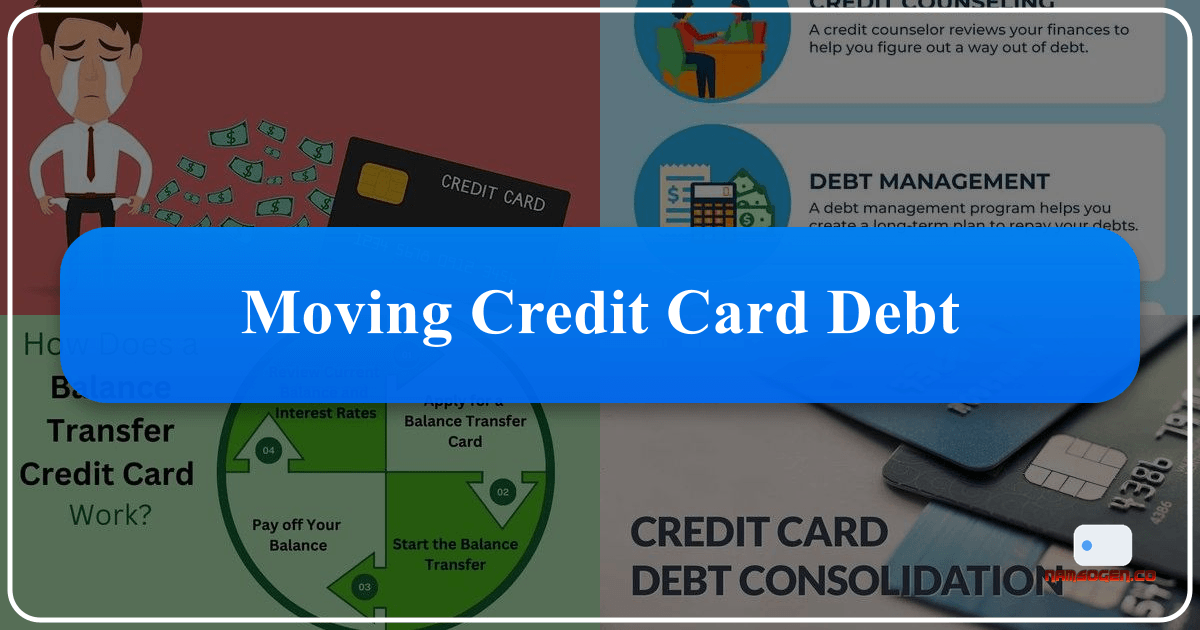
Moving Credit Card Debt
In the world of personal finance, few tools offer the immediate, transformative power of a strategic balance transfer. For individuals burdened by high-interest credit card debt, the ability to initiate a process known as moving credit card debt from an expensive account to a low-cost, promotional one can be the fastest route to financial freedom. This comprehensive guide will dissect the mechanism, strategy, and execution of a balance transfer a balance transfer, offering clarity on how to leverage this technique responsibly and effectively.
Understanding this process begins with a simple question: define balance transfer? At its core, it is a financial maneuver designed to consolidate high-interest debt under a new, lower-interest, or often 0% promotional APR umbrella. This strategic debt relocation is crucial because, left unchecked, high-interest debt can create a vicious cycle where most of the minimum monthly payment is consumed by interest charges, leaving the principal balance largely untouched.
Defining the Balance Transfer Mechanism
What is a Balance Transfer?
The balance transfer definition is straightforward: it is the act of transferring the outstanding debt (balance) from one credit account (usually a high-APR credit card) to another credit account (usually a new credit card offering a low or 0% introductory APR). The primary motivation behind this operation is to reduce the effective interest rate on the debt, thereby maximizing the principal reduction with every payment made.
The question, can you transfer balance from one credit card to another, is unequivocally yes. This capability forms the foundation of debt consolidation strategies worldwide. The secondary, but equally important, question is, can you transfer credit card balance to another card that you already hold? While possible, it is less common and often less advantageous, as most promotional 0% offers are reserved for new account openings to attract new customers.
For those looking to streamline their finances, executing a balance transfer a balance transfer offers a temporary interest-free window, usually ranging from 12 to 21 months, allowing the cardholder to pay down the principal aggressively without the drag of accruing interest. This makes it an incredibly powerful tool for anyone serious about conquering revolving debt.
The Critical Decision—Is Balance Transfer a Good Idea?
Before initiating the process, one must evaluate: is balance transfer a good idea for your specific financial situation? The answer depends heavily on three key variables: the interest rate differential, the transfer fee, and your commitment to paying off the debt within the promotional window.
Pros: Why Moving Credit Card Debt Works
- Massive Interest Savings: The most significant benefit. By moving credit card debt from an account charging 25% APR to one charging 0% APR for 18 months, you save thousands in interest, making every dollar of your payment effective.
- Accelerated Debt Payoff: Without interest consuming your payments, you can pay down the principal much faster, shortening your overall debt timeline.
- Debt Consolidation: If you have balances on multiple high-interest cards, you can consolidate them all onto one new card, simplifying your monthly payments and mental accounting.
Cons and Costs: The Hidden Traps
- The Balance Transfer Fee: The vast majority of these offers are not truly "free." The issuer makes money by charging an upfront fee, typically 3% to 5% of the total amount transferred. For example, moving a \$10,000 balance with a 5% fee costs you \$500 upfront. This fee must be calculated against the interest you save.
- The Post-Promotional APR: The 0% rate is temporary. If a balance remains after the introductory period ends, the remaining debt will revert to the card's standard APR, which can often be higher than your original card's rate.
- New Purchases Pitfall: Many 0% introductory offers apply only to the transferred balance, not to new purchases. If you start using the new card for everyday spending, those new purchases may accrue interest immediately, defeating the purpose of the transfer.
In essence, is balance transfer a good idea? Yes, but only if the interest savings drastically outweigh the transfer fee, and you have a concrete, executable plan to pay off the debt before the 0% period expires.
Execution—How to Transfer Credit Card Balance to Another Card

best way to move credit card debt.
For those ready to take control, the next step is understanding how to transfer credit card balance to another card. The process is initiated not with your old creditor, but with the new card issuer.
Step-by-Step: How to Make a Balance Transfer
- Select the Right Card: Find a credit card offering the longest 0% introductory period for the lowest possible balance transfer fee (3% is standard, 5% is high). Ensure your credit score is strong enough to qualify for the card and the credit limit you need.
- Apply and Get Approved: Apply for the new card. Crucially, the credit limit you receive must be high enough to absorb the debt you wish to move credit card balance.
- Initiate the Transfer Request: Once approved, during the application process or immediately after activation, you will be prompted (or will need to call customer service) to make a balance transfer. You will need the following information for the account you are paying off:
- The creditor's name (e.g., Chase, Citi, etc.)
- The account number of the card you are paying off.
- The exact mastercard card balance or amount you wish to transfer.
- Processing: The new card issuer will send the funds directly to the old creditor to pay off the balance. This process typically takes 7 to 14 business days. You must continue to make minimum payments on the old card until the transfer is officially reflected to avoid late fees.
- Confirmation and Payment Plan: Verify that the payment was received by the old creditor and that your new card reflects the transferred balance plus the balance transfer fee. Immediately establish a payment plan to pay off the entire balance before the promotional APR period ends.
This answers the common query: how do you transfer a credit card balance to another effectively. It’s a direct payment from the new card issuer to the old creditor on your behalf.
Clarifying the Terms: Credit Transfer vs. Balance Transfer
The phrase how to do a credit transfer is often used interchangeably with how to do a balance transfer between credit cards. In this financial context, they refer to the identical process of moving debt from one account to another to capture a lower interest rate. You are not "transferring credit" (meaning available credit limit); you are transferring the actual debt balance itself.
Advanced Scenarios and Operational Constraints
As debt strategies become more complex, so do the rules. Understanding these limitations is vital before proceeding with your plan to move credit card balance.
The Cross-Issuer Restriction
A key rule for how to do a balance transfer between credit cards is the restriction against transferring balances between cards issued by the same financial institution. For example, you generally cannot move debt from a Chase Freedom card to a Chase Slate card. Issuers typically require the transfer to come from an external creditor. This prevents customers from simply cycling debt between their own products to perpetually avoid interest.
The Existing Card Dilemma: Credit Card Balance Transfer to Existing Card
While the goal is often to open a new account to receive a 0% offer, sometimes people ask about a credit card balance transfer to existing card. In theory, yes, you can always use an existing card to pay off another debt, provided you have sufficient available credit. However, transfers made to an existing card that *does not* have a specific 0% balance transfer promotion active will simply be charged the existing card’s standard, high APR from day one. Therefore, performing a credit card balance transfer to existing card is almost never a sound strategy for saving money on interest.
The primary benefit comes from the new account incentive. If your existing card offers a promotional balance transfer period, it would be rare and usually only offered to select customers through a targeted offer, making the search for a new card the more reliable option.
Maximizing the 0% Window
The ultimate goal when embarking on this journey of moving credit card debt is to pay it down to zero before the promotional period ends. To calculate your required monthly payment, simply divide the total transferred amount (including the fee) by the number of promotional months. This reveals the precise amount you need to pay monthly to ensure the debt is wiped clean before the high rate kicks back in. This proactive planning is what separates a successful transfer from a costly mistake.
Furthermore, be vigilant about the expiration of the 0% period. If the balance is not fully paid, the interest that accrues on the remainder can quickly undo all the hard work and savings you achieved by figuring out how to do a credit transfer and executing it successfully.
Conclusion: Empowerment Through Strategic Debt Management

consolidate credit card balances.
The ability to move credit card balance is one of the most powerful and accessible tools available to consumers grappling with high-interest debt. By correctly understanding the balance transfer definition and knowing how to do a balance transfer between credit cards, individuals can effectively press pause on interest payments and redirect their financial resources toward debt eradication.
To successfully execute this strategy, remember the key factors: the transfer fee is the admission price, and the 0% window is the deadline. For the majority of debt situations, the question of can you transfer credit card balance to another card should always be followed by the strategic decision to find the card that maximizes time while minimizing cost. Done correctly, a balance transfer a balance transfer is a strategic triumph that can fundamentally change your financial trajectory.